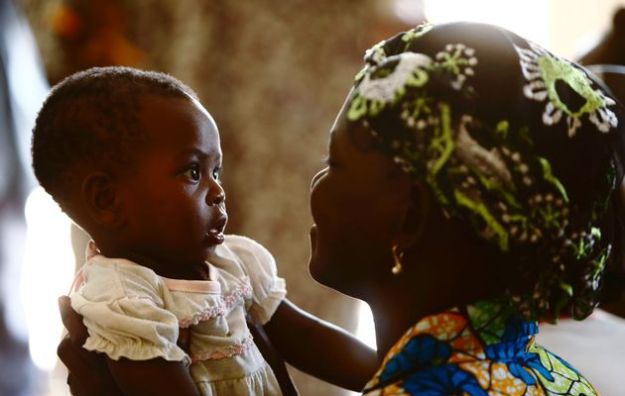
10 Examples of Gender Inequality Around the World

MDF28581-15-04-2013-20-04-39-715

Originally posted 05/30/2013 By Molly Edmonds

1: Education Attainment

Of the children that aren’t in school right now, the majority of them are girls. Women make up more than two-thirds of the world’s illiterate adults. When it comes to education, girls worldwide get the short end of the stick. Girls may be kept out of school to help with household chores, they may be pulled from school if their father deems it’s time for them to marry, or there may only be enough money to educate one child from the family — and the boy assumes the responsibility.

This gap in educational attainment becomes particularly maddening when you consider the numerous studies that have been done which show that educating girls is a key factor in eliminating poverty and aiding development. Girls who complete school are less likely to marry young, more likely to have smaller families and exhibit better health outcomes in relation to maternal mortality and HIV/AIDS. These women also go on to earn higher salaries, which they then invest in their own families, thus ensuring that future generations of girls get to go on to school. Indeed, it’s addressing the inequalities in education that may solve many of the other problems on this list.

2: Political Participation
Analysts often posit that many of the issues on this list could be solved if women had higher levels of political participation. Despite making up half the global population, women hold only 15.6 percent of elected parliamentary seats in the world. They’re missing from all levels of government — local, regional and national. Why is it important that women take part in politics? A study that examined women in leadership in Bolivia, Cameroon and Malaysia found that when women could take part in shaping spending priorities, they were more likely to invest in family and community resources, health, education and the eradication of poverty than the men, who were more likely to invest in the military. Some countries have experimented with quota systems to increase female participation, though these systems are often criticized for getting women involved simply because they are women, as opposed to their qualifications.

3: Freedom to Marry and Divorce

In the United States, love (and the lack of it) is a subject for romantic comedies and conversation over cocktails. In other countries, love may not enter the discussion at all when it comes to marriage. In many countries, young girls are forced to marry men two or three times their age. According to UNICEF, more than one-third of women aged 20 to 24 were married before they turned 18, which is considered the minimum legal age of marriage in most countries. Child brides give birth at early ages, which increases the chance of complications in childbirth and the risk of contracting HIV/AIDS.

When a woman wants out of a loveless marriage, her options are limited in many countries. In some places, courts automatically grant custody of children to the husband, and women often have no chance of receiving any measure of financial support. In other places, such as Egypt, women don’t even have access to a court. While men are allowed a divorce after an oral renunciation registered with the court, women face years of obstacles to get in front of a judge. For this reason, many women around the world are trapped in abusive marriages.

4: Access to Health Care

In many countries, a pregnant woman in labor can head to any hospital, confident that she will receive assistance in delivery. That seems like a luxury to women in developing countries, however. According to the World Health Organization, one woman dies in childbirth every minute of every day. That’s more than 500,000 deaths every year, many of which could have been prevented if the woman had been allowed to leave her home to receive treatment, or if she’d had a skilled attendant by her side. Childbirth is but one example of how women receive unequal access to health care services. Another example is the growing number of women infected with HIV/AIDS. For many years, men comprised the bulk of new infections, but in Sub-Saharan Africa, women now form half of the infected persons. One reason for this growth may be laws that force women to stay married, even when their husbands are adulterous and engaging in extramarital sexual activity that could bring the virus into the marriage.

5: Feminization of Poverty

As we mentioned on the previous page, women in some countries have no right to own the land on which they live or work. Not only can such a state trap women in abusive marriages, it also contributes to a phenomenon that economists have deemed the “feminization of poverty.” More than 1.5 billion people in the world live on less than one dollar a day, and the majority of those people are women. The United Nations often cites the statistic that women do two-thirds of the world’s work, receive 10 percent of the world’s income and own 1 percent of the means of production

Women can be left destitute if they’re denied access to land, as we discussed on the previous page, but inability to claim land also perpetuates the cycle of poverty. Let’s consider the case of a woman who is essentially managing a farm due to an absentee husband. Land is a major factor for securing credit from financial associations or co-ops, which means that a woman can’t apply for loans that would allow her family to expand its business. Without financial support, the woman can’t upgrade her equipment, expand her production or keep up with competing farmers. Many female entrepreneurs have been foiled and left to dwell in poverty because of restricted access to basic legal rights.

6. Restricted Land Ownership

In some countries, such as Chile and Lesotho, women lack the right to own land. All deeds must include the name of a man, be it the woman’s husband or father. If one of those men were to die, the woman has no legal claim to land that she may have lived on or worked all her life. Often, widows are left homeless because the deceased man’s family will throw them out of their homes. And some women remain in abusive marriages so that they won’t lose a place to live. Such restricted rights can be particularly frustrating in rural areas where agriculture is dominant. Women may spend their entire lives cultivating and harvesting foodstuffs for no pay, only to lack a safety net when the father or husband leaves or dies. The inability to hold land is a factor in the next item on our list.

7: Feticide and Infanticide
You’ll often hear expectant parents say that they don’t care if they have a boy or a girl, as long as the baby is healthy. In some countries, such as China and India, a male child is more valuable than a female child, and this gender bias causes parents to care very much if they have a boy or a girl. Thanks to advances in genetic testing, parents can find out if they’re having a boy or a girl, and they may elect to end a pregnancy that would yield a female child. And if the parents don’t receive advance notice, they may kill the child after its birth. As a result, the gender ratio in some countries is skewed; in India, for example, there were 927 girls per 1,000 boys in 2001. The female fetuses and infants who are killed are sometimes referred to as the world’s “missing women.”China’s one child policy may have led to many sex-selective abortions.

8: Violence

In 2008, U.N. Secretary-General Ban Ki-moon reported that one in every three women is likely “to be beaten, coerced into sex or otherwise abused in her lifetime”. In both the developed and the developing world, violence against women in the form of rape, spousal abuse, child abuse or spousal killing is such routine behavior that it rarely even makes the news anymore. In conflict zones, rape of women and children is increasingly used as a weapon of war. In other countries, marital rape is condoned, and some countries have laws that require a certain number of male witnesses to testify before a court will acknowledge that a rape has occurred. Even in developed countries, women are often blamed and questioned about actions if they become the victims of rape or physical abuse, while their attackers may not face such questioning. Because of the stigma of reporting any form of abuse, we may never know the true extent of this problem.

9: Limited Mobility

Saudi Arabia provides the most extreme example of limited mobility for women: In that country, women are not allowed to drive a car or ride a bicycle on public roads. The strict Islamic law in the country prohibits women from leaving the home without a man’s permission, and if they do leave the home, they can’t drive a car. Doing so would require removal of their veils, which is forbidden, and it could potentially bring them in contact with strange men, another forbidden practice. While Saudi Arabia is the only country that prohibits women from driving a car, other countries restrict women’s overseas travels by limiting their access to passports, and even women in developed countries may complain of limited mobility. While these women may have the legal right to drive cars and ride planes, they may elect not to go out by themselves at night due to the threat of rape or attack. We’ll discuss such violence against women on the next page of this article. Women in Saudi Arabia inspect a new car. The women are allowed to own cars, but they are not allowed to drive them.

10: Professional Obstacles

Women fought for decades to take their place in the workplace alongside men, but that fight isn’t over yet. According to the most recent statistics from the U.S. Census, women earn just 77 percent of what men earn for the same amount of work. In addition to this gender wage gap, women often face a glass ceiling when it comes to promotions, which is evident when you survey the lack of women in leadership positions at major companies. Women who have children often find themselves penalized for taking time off; if they’re not dismissed, they may face discrimination and outdated ideas of what a woman can accomplish if she’s pregnant or a mother. Also, jobs that are considered traditional women’s work, such as nursing and teaching, are often some of the lowest-paying fields.

Still, women in the workplace have one right that women in other countries lack — the right to leave their own homes.

Diversity Visa Lottery (DV-2014) Entry Status Available until September 30, 2014

EDVBanner

The online registration for DV-2014 began October 2, 2012 and concluded on November 3, 2012. Entrants who completed online DV-2014 entries can check the status of their entries by returning to the website at http://www.dvlottery.state.gov starting at noon (EDT) on May 1, 2013.

Even if you are not selected on May 1, 2013, you should keep your confirmation number until at least June 30, 2014. The Department of State may select more DV-2014 entries on or around October 1, 2013.

Entry Status Check will be the ONLY means by which DV lottery winners/selectees will be notified of their selection for DV-2014. Additionally, Entry Status Check will provide successful selectees with instructions on how to proceed with their application and provide the date and time of the immigrant visa appointment.

The Kentucky Consular Center no longer mails notification letters and does not use email to notify DV entrants of their selection in the DV program. Review the DV Program 2014 Instructions ”Selection of Applicants” section, which provides detailed information about the DV process.

If you have been selected for further processing in the Diversity Visa program, after you receive instructions, you will need to demonstrate you are eligible for a diversity immigrant visa by successfully completing the next steps. When requested to do so by the Kentucky Consular Center, you will need to complete an immigrant visa application, submit required documents and forms, pay required fees, complete a medical examination, and then next be interviewed by a consular officer at the U.S. embassy or consulate to demonstrate you qualify for a diversity visa. Please note that the Kentucky Consular Center will provide application information online ONLY through the Entrant Status Check on the E-DV website www.dvlottery.state.gov.

It is expected that the next application period for the DV Lottery (DV-2015) will be between October and December this year. Official dates, rules and eligible countries should be announced by late September. For more information, go to the official US State Department website at www.dvlottery.state.gov. You may also contact our office in the early fall for more information and assistance to complete another application. Be aware that the application for the DV lottery is free and you do not need to pay any agency to enter.

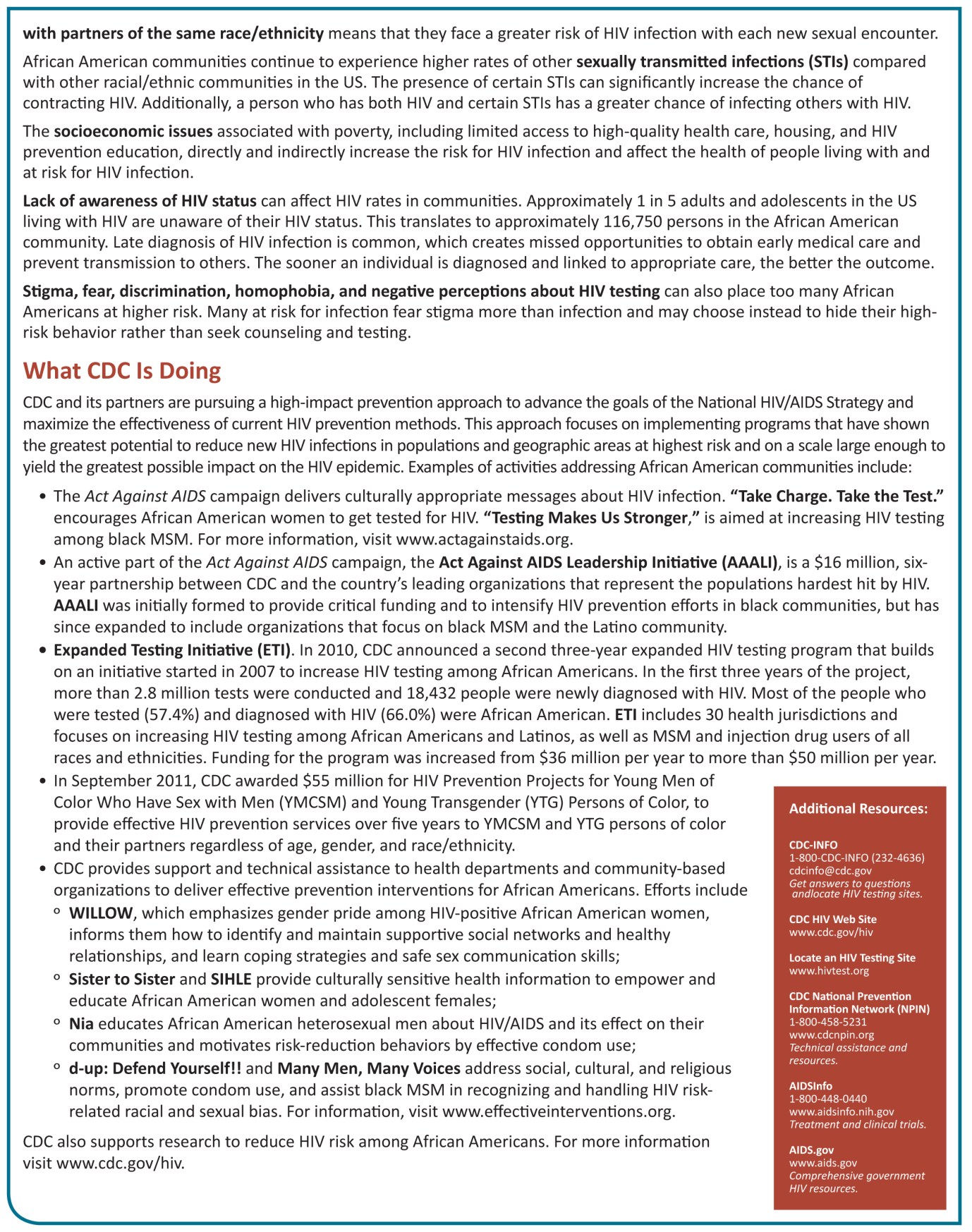
Aids- A Global Issue

aids-patient_801_600x450

There are millions of faceless people whose lives have been impacted by AIDS/HIV,  especially in  Africa.  Yet there are some who believe that AIDS is a hoax.  An estimated 33 million people worldwide were living with HIV in 2007, of whom 67% were in sub-Saharan Africa. The Region also accounts for 75% of global AIDS deaths. Approximately 9.1 million people were newly infected with HIV in sub-Saharan Africa in 2007.

Information about the epidemic and its impact on the people of Africa are often not told, because Aid meant to combat the spread of HIV and poverty in Africa has been complicated by corruption among political leaders with a few notable exceptions. The prevention measures have been hampered in Africa due to traditional beliefs, political and religious authorities.  Both Muslim and Christian leaders found prevention campaigns such as condom promotion difficult to reconcile with their teachings.

In Sub-Saharan Africa women are disproportionately affected by the HIV epidemic in comparison with men, with the proportion hovering around 60% over the last five years and nearly 90% of all children living with HIV/AIDS. The HIV/AIDS epidemic in Africa is occurring in a context of increased poverty, food insecurity, indebtedness, poor economic performance, gender inequality, gender-based violence, conflicts, natural disasters, ignorance, fear, stigma and discrimination.

Almost invariably, the burden of coping rests with women. Upon a family member becoming ill, the role of women as carers, income-earners and housekeepers is stepped up. They are often forced to step into roles outside their homes as well. Older people are also heavily affected by the epidemic; many have to care for their sick children and are often left to look after orphaned grandchildren.

It is hard to overemphasise the trauma and hardship that children are forced to bear. As parents and family members become ill, children take on more responsibility to earn an income, produce food, and care for family members. More children have been orphaned by AIDS in Africa than anywhere else. Many children are now raised by their extended families and some are even left on their own in child-headed households.

The toll of HIV and AIDS on households can be very severe. It is often the poorest sectors of society that are most vulnerable. In many cases, AIDS causes the household to dissolve, as parents die and children are sent to relatives for care and upbringing. AIDS strips families of their assets and income earners, further impoverishing the poor.

The epidemic adds to food insecurity in many areas, as agricultural work is neglected or abandoned due to household illness. HIV and AIDS are having a devastating effect on the already inadequate supply of teachers in African countries. The illness or death of teachers is especially devastating in rural areas where schools depend heavily on one or two teachers.

In many countries of sub-Saharan And West Africa, AIDS is erasing decades of progress in extending life expectancy. The biggest increase in deaths has been among adults aged between 20 and 49 years. AIDS is hitting adults in their most economically productive years and removing the very people who could be responding to the crisis. As access to treatment is slowly expanded throughout the continent, millions of lives are being extended and hope is being given to people who previously had none. Unfortunately though, the majority of people in need of treatment are still not receiving it, and campaigns to prevent new infections are lacking in many areas.

Prevention efforts are beginning to bear fruit, with indications of behavior change and declines in HIV prevalence rates in a number of high-burden countries. Many countries have also made significant progress in expanding access to ART. About 2.1 million people were receiving antiretroviral therapy in the Region at the end of 2007, and regional coverage increased from barely 2% in 2003 to 30% in 2007. Despite this significant progress in ART there is still need to cover all the people in need and improve some areas such as HTC and PMTCT.

The key challenges to be addressed are:

  • Scaling up of key HIV prevention intervention, particularly HIV testing and counseling (HCT) including Provider Initiated Testing and Counseling.
  • Increasing access to affordable treatment and care in order to sustain the achievements so far on ART.
  • Increasing Prevention of Mother to Child Transmission (PMTCT) as the coverage of these interventions is still unacceptably low (34 % in 2007).
  • Identifying innovative approaches to respond to the high levels of HIV discordant couples.
  • Introducting male circumcision in countries where this procedure is not currently practiced requires well-thought strategies, capacity building efforts and good communication strategies.
  • Weak health care delivery systems that are hindering expansion of quality HIV care and treatment services to lower level health facilities.
  • Ensuring sustainable financing for key priority interventions in order for Member States have to achieve Universal Access.

In July 2001, the National Institute of Health (NIH) of the United States Government released its report on the Scientific Analysis on Condom Effectiveness for STD prevention”. The report, which is an analysis of 130 studies conducted over some decades, differentiates between condom efficacy (the protection which the users would enjoy under ideal conditions, this depending primarily on the properties of the condom) and condom effectiveness (protection offered under actual usage; dependent on the characteristics of the device and its user).

The conclusions of the report? Apart from Gonorrhea (in men and not for women) for which there was some risk reduction, condom use for Chlamydia, trichomoniasis, chancroid, syphilis, genital herpes and Human papilomavirus showed no clinical proof of effectiveness from the available studies (more studies are necessary to determine its effectiveness). According to the studies, “condoms provided an 85% reduction in HIV/AIDS transmission risk when infection rates were compared in always versus never users”What about the remaining 15%? Is that percentage alright for you? Since the condom has not been sufficiently proven to be effective in preventing some of the common STDs listed above, there is an added risk of infection with HIV if there is an STD present.

In view of the findings of the report, the CDC has made some changes in its fact sheet, which says amongst other things that “The surest way to avoid transmission of sexually transmitted diseases is to abstain from sexual intercourse, or to be in a long-term mutually monogamous relationship with a partner who has been tested and you know is uninfected. For persons whose sexual behaviors place them at risk for STDs, correct and consistent use of the male latex condom can reduce the risk of STD transmission.

However, no protective method is 100 percent effective, and condom use cannot guarantee absolute protection against any STD . In order to achieve the protective effect of condoms, they must be used correctly and consistently. Incorrect use can lead to condom slippage or breakage, thus diminishing their protective effect. Inconsistent use, e.g., failure to use condoms with every act of intercourse, can lead to STD transmission because transmission can occur with a single act of intercourse”

In our society today, is it possible for a normal, healthy person to resist sexual urges until marriage and then maintain a commitment to faithful, monogamous marriage? Can an entire nation dramatically reduce its AIDS incidence rates largely as a result of abstinence before marriage and fidelity within marriage?   The answer is ‘”YES WE CAN”

Illustration by CDC:

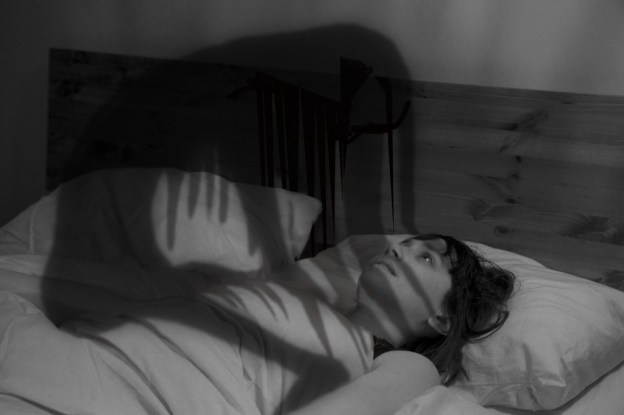
Sleep Paralysis- A Nightmare Spirit

old-hag-1024x682

Sleep paralysis is a phenomenon known by all cultures throughout the world, in which people, either when falling asleep or wakening, temporarily experience an inability to move in the middle of the night, often you are woken suddenly with a feeling of evil surrounding you, you can’t breathe and your chest is heavy, like someone pressing down on you, trying to suffocate you or holding you down, you can’t move! You think you can hear voices and see a dark shadowy figure swooping around your bed and you wonder why? If you’ve had this experience, you’re not alone, it’s is a classic example of what has become known as the “old hag” syndrome that comes from the superstitious belief that you may be hunted by the devil or a witch.

In African culture, it’s commonly referred to as “the witch riding your back.” Ogun Oru is a traditional explanation for nocturnal disturbances among the Yoruba of Southwest Nigeria; ogun oru (nocturnal warfare) involves an acute night-time disturbance that is culturally attributed to demonic infiltration of the body and psyche during dreaming. Ogun oru is characterized by its occurrence, a female preponderance, the perception of an underlying feud between the sufferer’s earthly spouse and a ‘spiritual’ spouse, and the event of bewitchment through eating while dreaming. The condition is believed to be treatable through Christian prayers or elaborate traditional rituals designed to exorcise the imbibed demonic elements.

In Zimbabwean Shona culture the word Madzikirira is used to refer something really pressing one down. This mostly refers to the spiritual world in which some spirit—especially an evil one—tries to use its victim for some evil purpose. The people believe that witches can only be people of close relations to be effective, and hence a witches often try to use one’s spirit to bewitch one’s relatives.

In Ethiopian culture the word ‘dukak’ (ዱካክ – Amharic) is used, which is believed to be an evil spirit that possesses people during their sleep. Some people believe this experience is linked to use of Khat ( ጫት ‘Chat’ – Amharic). Khat users experience sleep paralysis when suddenly quitting chewing Khat after use for a long time. In Amharic, the official language of Ethiopia, the word ‘dukak’ taken out of the context of Khat withdrawal related sleep paralysis, means depression.

The evil spirit ‘dukak’ is an anthropomorphism (anthropomorphic personification) of the depression that often results from the act of quitting chewing Khat. ‘Dukak‘ often appears in hallucinations of the quitters and metes out punishments to its victims for offending him by quitting. The punishments are often in the form of implausible physical punishments (e.g., the ‘dukak’ puts the victim in a bottle and shakes the bottle vigorously) or outrageous tasks the victim must perform (e.g., swallow a bag of gravel).

In Swahili speaking East Africa, it is known as jinamizi, which refers to a creature sitting on one’s chest making it difficult for him/her to breathe. It is attributed to result from a person sleeping on his back. Most people also recall being strangled by this ‘creature’. People generally survive these ‘attacks’

What is SP?

Research shows that SP is linked with REM (rapid eye movement) sleep. When in REM sleep you are usually dreaming, your body does not act out your dreams as you will hurt either yourself, or someone else, so evolution has worked its merry little way of getting your brain to switch off your muscles (so to speak) and relax you while dreaming, essentially paralyzing you to a degree.

The cause for a state of SP is when your mind wakes up, usually still in a semi-REM state, but your body is still relaxed and semi paralyzed, bringing sometimes a horrifying sensation of being paralyzed while still in a semi-dream state yet awake. The consequences of this state are usually nothing short of terrifying to individuals with their dreams suddenly becoming reality as they are trapped in an in between sate of consciousness. The usual result is panic to try to release oneself while sleep creeps around your brain like a slow fog trying to drag you back down to it’s depths again.

More formally, it is a transition state between wakefulness and rest characterized by complete muscle atonia (muscle weakness). It can occur at sleep onset or upon awakening, and it is often associated with terrifying visions (e.g., an intruder in the room), to which one is unable to react due to paralysis. It is believed a result of disrupted REM sleep, which is normally characterized by complete muscle atonia that prevents individuals from acting out their dreams. Sleep paralysis has been linked to disorders such as narcolepsy, migraines, anxiety disorders, and obstructive sleep apnea; however, it can also occur in isolation. When linked to another disorder, sleep paralysis commonly occurs in association with the neuromuscular disorder narcolepsy.

Of a recent survey it is suggested that between 25-30% of the general population has suffered some form of SP with 95% of these experiencing a perceived horrifying event. It is now considered to be a common disorder among the population, but not many people admit to suffering SP. Yes, it does run in the family, if you have suffered an episode, chances are there’s a member within your close family who has also experienced this. People often feel they are experiencing something paranormal with SP due to the bizarre symptoms and don’t realize that they are in fact suffering from something many others have experienced with a perfectly reasonable explanation.

I S T H I S C O N D I T I O N H A R M F U L ?

General medical research shows SP is not generally harmful and will only ever last from a few seconds, to maybe a few minutes. Of course reality is severely altered in this state and sufferers can have a feeling of being trapped in a state of SP for what seems like hours, when in fact it is merely minutes. Further research does indicate that a predisposition to something more traumatic, such as social problems due to lack of sleep and a disruption to normal daily life, may be a result of many episodes of SP.  If you feel you need more help or more information about any health issue including SP seek out further medical help with a licensed practitioner.

C A U S E S

The most commonly reported cause of SP episodes is in fact stress. It’s believed that stress can seriously alter sleep patterns, causing episodes of sleep paralysis. Another cause can be your sleeping position. Reports and research by Dr. J. A. Cheyne show that sufferers sleeping in the face up position are five times more likely to suffer an episode of sleep paralysis than others who attempt to sleep in a different position during normal sleep. Avoidance of sleeping on your back and attempting to not roll over into this position during the night is strongly advised. The use of a small squash or tennis ball placed behind your back can sometimes help with this.

P R E V E N T I O N & R E S C U E

Prevention is all about sleeping in the correct position (not face up), not eating large amounts of food, drinking caffeine or excessive smoking before sleep. Reducing stress levels in your life is also another key factor to preventing SP as mentioned before, stress can severely alter sleep patterns inducing SP episodes, insomnia, sleep deprivation, and an erratic sleep schedule.

A good way of trying to release yourself when caught in a state of SP is attempting to concentrate on moving a body part, whether it be your finger, toe or even blinking your eyes, this works quite well and is a common remedy for most SP sufferers as the instant a body part moves, the SP episode should cease. You can also do this in your mind if you cannot move any body part, merely trying to imagine shaking your head or moving a body part can keep your mind active enough for your body to catch up and be able to move for real, essentially fully waking yourself up and again ending the SP episode.

Treatment

Treatment starts with patient education about sleep stages and muscle atonia associated with REM sleep. Patients should be evaluated for narcolepsy if symptoms persist. The safest treatment for sleep paralysis is for people to adopt healthier sleeping habits. However, in serious cases more clinical treatments are available. The most commonly used drugs are tricyclic antidepressants and selective serotonin reuptake inhibitors (SSRIs). Despite the fact that these treatments are prescribed for serious cases of RISP, it is important to note that these drugs are not effective for everyone. There is currently no drug that has been found to completely interrupt episodes of sleep paralysis a majority of the time.

Prognosis

Sleep paralysis poses no serious health risk to those that experience it, despite the fact that it can be an intensely terrifying experience. SUNDS is a deadly disorder believed to be related to sleep paralysis; however, they are still considered completely separate disorders, so sleep paralysis sufferers should not be alarmed.

Conclusion

Several circumstances have been identified that are associated with an increased risk of sleep paralysis, stress, overuse of stimulants, physical fatigue, as well as certain medications that are used to treat ADHD. It is also believed that there may be a genetic component in the development of RISP due to a high concurrent incidence of sleep paralysis in mono zygotic twins.

Also, sleeping in the supine position is believed to make the sleeper more vulnerable to episodes of sleep paralysis because in this sleeping position it is possible for the soft palate to collapse and obstruct the airway. This is a possibility regardless of whether the individual has been diagnosed with sleep apnea or not. There may also be a greater rate of microarousals while sleeping in the supine position, because gravity exerts a greater amount of pressure on the lungs.

While many factors can increase risk for ISP or RISP, they can be avoided with minor lifestyle changes. By maintaining a regular sleep schedule and observing good sleep hygiene, one can reduce chances of sleep paralysis. It helps subjects to reduce the intake of stimulants and stress in daily life by taking up a hobby or seeing a trained psychologist who can suggest coping mechanisms for stress. However, some cases of ISP and RISP involve a genetic factor—which means some people may find sleep paralysis unavoidable.


PRESS RELEASE – IAAN 2013 GLOBAL SUMMIT ON NGO EMPOWERMENT 09/5-8/13

3117

Over 1000 participants from various parts of Africa, Caribbean and Latin America will attend the International Association of African Non-Governmental Organizations (IAAN) 2013 Global Summit on NGO Empowerment scheduled for September 5th 2013 to September 8th 2013 at the Hilton Hotel Rockville MD, in the United States of America. The theme of this conference is “Empowering NGOs in the Age of Globalization” Attendees include NGOs, Business men and Women, Political leaders, Philanthropists, Investors and other stake holders.

IAAN believes that NGOs are at the center of sustainable social and economic development, poverty reduction and environmental protection. When NGOs are empowered societies benefit. In today’s complex world, it’s increasingly important for NGOs, the private sectors and governments to work collaboratively to help meet the Millennium development goals (MDGs) as it relates to issues concerning women and children. NGOs in developing nations face major challenges in their efforts to meet the MDGs, largely due to lack of resources and funding. These NGOs are typically founded by individuals, who despite their financial challenges are doing the best they can to better the lives of their fellow man.

IAAN strives to create global awareness and harness resources internationally to enhance their services to various communities. For this year’s conference we are bringing together NGOs, the private sector and political leaders from various parts of Africa, Caribbean and Latin America and philanthropists to engage in discussions on how to work collaboratively to help meet the Millennium development goals (MDGs) as it relates to issues concerning poverty in
developing nations. The conference will also feature International speakers with a variety of topics, ranging from Human Rights issues to Global Health, Information Systems Technology, Climate Change and Sustainable Technology.

At the award night, the NGOs that have shown excellence in their service to improve the lives of the poor will receive awards and grants to enable them continue the good works. IAAN is the voice for thousands of NGOs in developing nations who are doing great charity work. IAAN creates global awareness for our member NGOs, through networking regionally and internationally, while assisting them in enhancing their programs and activities; this includes restructuring the NGOs if need be, for global competition. We share a vision in which African people are empowered to improve their daily lives.

Additional information can be found at our website at www.inafricangos.org