Tag Archives: United States

Diversity Visa Lottery (DV-2014) Entry Status Available until September 30, 2014

EDVBanner

The online registration for DV-2014 began October 2, 2012 and concluded on November 3, 2012. Entrants who completed online DV-2014 entries can check the status of their entries by returning to the website at http://www.dvlottery.state.gov starting at noon (EDT) on May 1, 2013.

Even if you are not selected on May 1, 2013, you should keep your confirmation number until at least June 30, 2014. The Department of State may select more DV-2014 entries on or around October 1, 2013.

Entry Status Check will be the ONLY means by which DV lottery winners/selectees will be notified of their selection for DV-2014. Additionally, Entry Status Check will provide successful selectees with instructions on how to proceed with their application and provide the date and time of the immigrant visa appointment.

The Kentucky Consular Center no longer mails notification letters and does not use email to notify DV entrants of their selection in the DV program. Review the DV Program 2014 Instructions ”Selection of Applicants” section, which provides detailed information about the DV process.

If you have been selected for further processing in the Diversity Visa program, after you receive instructions, you will need to demonstrate you are eligible for a diversity immigrant visa by successfully completing the next steps. When requested to do so by the Kentucky Consular Center, you will need to complete an immigrant visa application, submit required documents and forms, pay required fees, complete a medical examination, and then next be interviewed by a consular officer at the U.S. embassy or consulate to demonstrate you qualify for a diversity visa. Please note that the Kentucky Consular Center will provide application information online ONLY through the Entrant Status Check on the E-DV website www.dvlottery.state.gov.

It is expected that the next application period for the DV Lottery (DV-2015) will be between October and December this year. Official dates, rules and eligible countries should be announced by late September. For more information, go to the official US State Department website at www.dvlottery.state.gov. You may also contact our office in the early fall for more information and assistance to complete another application. Be aware that the application for the DV lottery is free and you do not need to pay any agency to enter.

Aids- A Global Issue

aids-patient_801_600x450

There are millions of faceless people whose lives have been impacted by AIDS/HIV,  especially in  Africa.  Yet there are some who believe that AIDS is a hoax.  An estimated 33 million people worldwide were living with HIV in 2007, of whom 67% were in sub-Saharan Africa. The Region also accounts for 75% of global AIDS deaths. Approximately 9.1 million people were newly infected with HIV in sub-Saharan Africa in 2007.

Information about the epidemic and its impact on the people of Africa are often not told, because Aid meant to combat the spread of HIV and poverty in Africa has been complicated by corruption among political leaders with a few notable exceptions. The prevention measures have been hampered in Africa due to traditional beliefs, political and religious authorities.  Both Muslim and Christian leaders found prevention campaigns such as condom promotion difficult to reconcile with their teachings.

In Sub-Saharan Africa women are disproportionately affected by the HIV epidemic in comparison with men, with the proportion hovering around 60% over the last five years and nearly 90% of all children living with HIV/AIDS. The HIV/AIDS epidemic in Africa is occurring in a context of increased poverty, food insecurity, indebtedness, poor economic performance, gender inequality, gender-based violence, conflicts, natural disasters, ignorance, fear, stigma and discrimination.

Almost invariably, the burden of coping rests with women. Upon a family member becoming ill, the role of women as carers, income-earners and housekeepers is stepped up. They are often forced to step into roles outside their homes as well. Older people are also heavily affected by the epidemic; many have to care for their sick children and are often left to look after orphaned grandchildren.

It is hard to overemphasise the trauma and hardship that children are forced to bear. As parents and family members become ill, children take on more responsibility to earn an income, produce food, and care for family members. More children have been orphaned by AIDS in Africa than anywhere else. Many children are now raised by their extended families and some are even left on their own in child-headed households.

The toll of HIV and AIDS on households can be very severe. It is often the poorest sectors of society that are most vulnerable. In many cases, AIDS causes the household to dissolve, as parents die and children are sent to relatives for care and upbringing. AIDS strips families of their assets and income earners, further impoverishing the poor.

The epidemic adds to food insecurity in many areas, as agricultural work is neglected or abandoned due to household illness. HIV and AIDS are having a devastating effect on the already inadequate supply of teachers in African countries. The illness or death of teachers is especially devastating in rural areas where schools depend heavily on one or two teachers.

In many countries of sub-Saharan And West Africa, AIDS is erasing decades of progress in extending life expectancy. The biggest increase in deaths has been among adults aged between 20 and 49 years. AIDS is hitting adults in their most economically productive years and removing the very people who could be responding to the crisis. As access to treatment is slowly expanded throughout the continent, millions of lives are being extended and hope is being given to people who previously had none. Unfortunately though, the majority of people in need of treatment are still not receiving it, and campaigns to prevent new infections are lacking in many areas.

Prevention efforts are beginning to bear fruit, with indications of behavior change and declines in HIV prevalence rates in a number of high-burden countries. Many countries have also made significant progress in expanding access to ART. About 2.1 million people were receiving antiretroviral therapy in the Region at the end of 2007, and regional coverage increased from barely 2% in 2003 to 30% in 2007. Despite this significant progress in ART there is still need to cover all the people in need and improve some areas such as HTC and PMTCT.

The key challenges to be addressed are:

  • Scaling up of key HIV prevention intervention, particularly HIV testing and counseling (HCT) including Provider Initiated Testing and Counseling.
  • Increasing access to affordable treatment and care in order to sustain the achievements so far on ART.
  • Increasing Prevention of Mother to Child Transmission (PMTCT) as the coverage of these interventions is still unacceptably low (34 % in 2007).
  • Identifying innovative approaches to respond to the high levels of HIV discordant couples.
  • Introducting male circumcision in countries where this procedure is not currently practiced requires well-thought strategies, capacity building efforts and good communication strategies.
  • Weak health care delivery systems that are hindering expansion of quality HIV care and treatment services to lower level health facilities.
  • Ensuring sustainable financing for key priority interventions in order for Member States have to achieve Universal Access.

In July 2001, the National Institute of Health (NIH) of the United States Government released its report on the Scientific Analysis on Condom Effectiveness for STD prevention”. The report, which is an analysis of 130 studies conducted over some decades, differentiates between condom efficacy (the protection which the users would enjoy under ideal conditions, this depending primarily on the properties of the condom) and condom effectiveness (protection offered under actual usage; dependent on the characteristics of the device and its user).

The conclusions of the report? Apart from Gonorrhea (in men and not for women) for which there was some risk reduction, condom use for Chlamydia, trichomoniasis, chancroid, syphilis, genital herpes and Human papilomavirus showed no clinical proof of effectiveness from the available studies (more studies are necessary to determine its effectiveness). According to the studies, “condoms provided an 85% reduction in HIV/AIDS transmission risk when infection rates were compared in always versus never users”What about the remaining 15%? Is that percentage alright for you? Since the condom has not been sufficiently proven to be effective in preventing some of the common STDs listed above, there is an added risk of infection with HIV if there is an STD present.

In view of the findings of the report, the CDC has made some changes in its fact sheet, which says amongst other things that “The surest way to avoid transmission of sexually transmitted diseases is to abstain from sexual intercourse, or to be in a long-term mutually monogamous relationship with a partner who has been tested and you know is uninfected. For persons whose sexual behaviors place them at risk for STDs, correct and consistent use of the male latex condom can reduce the risk of STD transmission.

However, no protective method is 100 percent effective, and condom use cannot guarantee absolute protection against any STD . In order to achieve the protective effect of condoms, they must be used correctly and consistently. Incorrect use can lead to condom slippage or breakage, thus diminishing their protective effect. Inconsistent use, e.g., failure to use condoms with every act of intercourse, can lead to STD transmission because transmission can occur with a single act of intercourse”

In our society today, is it possible for a normal, healthy person to resist sexual urges until marriage and then maintain a commitment to faithful, monogamous marriage? Can an entire nation dramatically reduce its AIDS incidence rates largely as a result of abstinence before marriage and fidelity within marriage?   The answer is ‘”YES WE CAN”

Illustration by CDC:

PRESS RELEASE – IAAN 2013 GLOBAL SUMMIT ON NGO EMPOWERMENT 09/5-8/13

3117

Over 1000 participants from various parts of Africa, Caribbean and Latin America will attend the International Association of African Non-Governmental Organizations (IAAN) 2013 Global Summit on NGO Empowerment scheduled for September 5th 2013 to September 8th 2013 at the Hilton Hotel Rockville MD, in the United States of America. The theme of this conference is “Empowering NGOs in the Age of Globalization” Attendees include NGOs, Business men and Women, Political leaders, Philanthropists, Investors and other stake holders.

IAAN believes that NGOs are at the center of sustainable social and economic development, poverty reduction and environmental protection. When NGOs are empowered societies benefit. In today’s complex world, it’s increasingly important for NGOs, the private sectors and governments to work collaboratively to help meet the Millennium development goals (MDGs) as it relates to issues concerning women and children. NGOs in developing nations face major challenges in their efforts to meet the MDGs, largely due to lack of resources and funding. These NGOs are typically founded by individuals, who despite their financial challenges are doing the best they can to better the lives of their fellow man.

IAAN strives to create global awareness and harness resources internationally to enhance their services to various communities. For this year’s conference we are bringing together NGOs, the private sector and political leaders from various parts of Africa, Caribbean and Latin America and philanthropists to engage in discussions on how to work collaboratively to help meet the Millennium development goals (MDGs) as it relates to issues concerning poverty in
developing nations. The conference will also feature International speakers with a variety of topics, ranging from Human Rights issues to Global Health, Information Systems Technology, Climate Change and Sustainable Technology.

At the award night, the NGOs that have shown excellence in their service to improve the lives of the poor will receive awards and grants to enable them continue the good works. IAAN is the voice for thousands of NGOs in developing nations who are doing great charity work. IAAN creates global awareness for our member NGOs, through networking regionally and internationally, while assisting them in enhancing their programs and activities; this includes restructuring the NGOs if need be, for global competition. We share a vision in which African people are empowered to improve their daily lives.

Additional information can be found at our website at www.inafricangos.org


FOR IMMEDIATE RELEASE – THE 4TH ANNUAL NIGERIAN LEADERSHIP SUMMIT 2013

leadnigeria logo

THE 4TH ANNUAL NIGERIAN LEADERSHIP SUMMIT 2013

New York, NY – June 12, 2013: On August 16-17, 2013, LEAD Nigeria will host the 4th Annual Nigerian Leadership Summit at the Hotel Pennsylvania, downtown New York. Guided by the theme: “Developing a Roadmap for Engaging the Nigerian Diaspora in Development”, the summit will provide an opportunity for Nigerians in the diaspora especially the youth to extensively discuss and equip themselves with strategic information, knowledge and resources necessary to make viable contribution to Nigerian development by acquiring the skills and tools needed for engaging their fellow peers in good governance and societal development.

Specifically, this year’s summit will focus on how the Nigerian Diaspora-based and Nigerian-based youth can work together to generate and share new ideas, learn about best practices of creating empowerment programs and project management, create opportunities to collaborate and forge partnerships that will enhance the prospects of developmental change within the Nigerian youth population, while shaping a broad development vision as the center piece and framework of cooperation between youths and the government.

As part of the leadership summit, from August 12-15, 2013 – Lead Nigeria in partnership with The Council of Young African Leaders will host 40 Nigerian youth leaders and activists from Nigeria for a 3 day Leadership Empowerment training retreat focused on building their leadership, organizational and community service skills with the goal of designing and organizing a project of choice to be carried out in Nigeria, a project that will impact the lives of members of the community within a year.

A special feature of the Nigerian Leadership summit 2013 will be the launch of the LEAD Nigeria fellowship program. The LEAD Nigeria fellowship program will provide selected Diaspora Nigerians annually with the opportunity to participate, intern, volunteer or work on a program of choice in Nigeria for 3 months in areas such as youth empowerment, leadership development, entrepreneurship, media, healthcare, education and vocational skills training, providing an in-depth understanding of issues threatening the survival and development of youths and young people with an intensive mentoring and training module to develop relationships with on-going projects and highly committed and accomplished youth leaders working collaboratively to motivate and inspire their fellow peers in particular and their community in general

The Nigerian Leadership Summit is expected to attract about 200 participants from across the United States, Canada, the UK and Nigeria, with emphasis on providing opportunities for current youth leaders and professionals leading developmental change campaigns and initiative to actively be involved and engaged in the programs dialogue.

To register for the Nigerian Leadership Summit 2013, Click Register Here

For sponsorship, partnership and all other form of support and inquiries, email events@leadnigeria.org

For more information about past Nigerian Leadership summit programs, Click Here

US plans $250m fertilizer plant in Edo State

220313N.Jeffrey-Hawkins

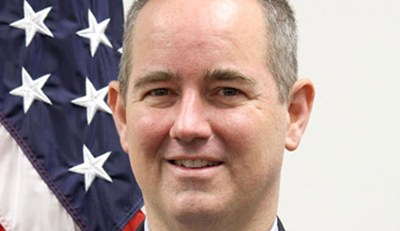
United States Consul-General to Nigeria, Mr. Jeffry Hawkins

According to the Social media & Public Affairs, Governor’s Office in Benin-City, the Consul-General of the United States to Nigeria, Mr. Jeffry Hawkins has disclosed plans by the United States government to establish a $250 million fertilizer plant in Edo State.

Mr. Hawkins, who described Edo State Governor, Comrade Adams Oshiomhole as one of the most effective governors in Nigeria made the disclosure during a courtesy call and inspection of projects in the state, yesterday.The Consul-General said the $250 million fertilizer plant is being planned by the Overseas Private Investment Corporation of the United State Government.

“We are here because we are proud that the Overseas Private Investment Corporation of the US government is involved with the Green Petrochemical Company which is making a $250 million investment , and we are happy that this important fertilizer plant will have the support of the United States Government. It will create about one thousand five hundred jobs. That is something we are hoping to take a look at when we are here,” he noted.

According to him “the United States have had a long relationship with you way back before your time in politics and your activities as one of Nigeria’s premier labour leader and we are very happy to continue with that relationship.

“We are happy that people of your state obviously think highly of you and your re-election is what we in America call landslide. You are someone many people point to when answering the question, who is the most effective governor in Nigeria, often the answer is Comrade Adams Oshiomhole”, he added.

The Governor of Edo State, Comrade Adams Oshiomhole thanked the United State government for the planned investment in the state noting that “We trust we can count on your support.

“I am happy for the good news, that a US agency is supporting a fertilizer plant here and this shows the confidence and we are happy about that. We are also able to attract one of Nigeria’s foremost investors, Dangote group, and they are constructing a factory somewhere in Edo North behind the bank of the river Niger. That is the largest fertilizer plant in this part of the continent.

“In addition, we also believe that we can easily be a hub for power generation, supply and distribution if the Federal Government gets its policies right. Strategically located we have gas which is the resource for power generation. We realize that building institutions rather than strong men, we are already looking at Edo state after my tenure,” he added.

The Governor maintained that, “we think we can strengthen institutions rather than regardless of the character of the person. We are making investment in ICT, trying to deepen transparency and avoid waste in our system.

According to him, “For too long the Nigerian electorate has been taken for granted. This is the only country somebody is elected and has not finished four years in office, you are already predicting you will win the second term as if your performance is irrelevant. When you have a system like that in a democracy you can’t be sure of the future.”

The Consul General later joined the Governor on a tour of some of the projects in Benin metropolis.

Speaking in an interview after the tour of projects, the Consul-General said, “I specially want to thank the Governor for his kind heart. We have seen a number of things that he is doing ranging from roads, health, education and drainages. He has worked hard to develop the infrastructure of the state.”

The Consul General noted that, “by far the most impressive of the projects are the drainages. It is a high prestige project. In a city like Benin it makes all the difference. The state government has paid a lot of attention to it and is working very hard to address the issue of flooding.”

What Nigeria needs is not more strong men, it needs good governance. Without a doubt, Governor Oshiomhole has demonstrated leadership in his commitments to create job opportunities for the people of Edo-State. On behalf of AfriQtalk, we give kudos to ACN, Comrade Adams Oshiomhole.

.