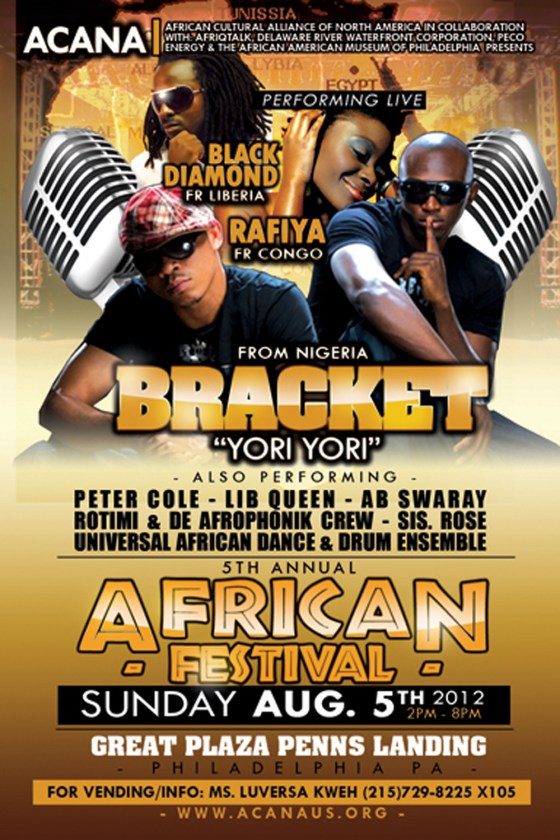
The group Bracket is fast becoming a house hold name in North America, thanks to their fans and supporters. The Enugu born duo is poised to receive a Honorary award from the city of Philadelphia at the African American Museum of Philadelphia in a Banquet event, August 3, 2012. They will join the likes of Chief Commander Ebenezer Obey who received a similar recognition in Boston.
Nominated for Best Indigenous Artist/Group at the Nigerian Entertainment Awards in New York, September 2, 2012. The group has won many awards, including NMVA 2009 Best Hi-Life Video Wedding planner song of the year award 2009 Museke Africa Song of the Year award 2010, Soundcity Nominee for Discovery of the year 2009 and becoming the most sought after artistes by show promoters in the African Disaporas and around the globe .
They aren’t slowing down and are taking North America by storm with their new album release, girl featuring award winning Wizkid BET best international act, even though Yori Yori still remains indisputably the most popular. Also, they will be performing at the 5th Annual African Music Festival, September 5, 2012. A three days event kicking off a one month tour in the U.S. Click the following link for more info http://t.co/XzWuuefW
Bracket is brought to you by ACANA and AfriQtalk in collaboration with the African American Museum of Philadelphia, Delaware River Waterfront Corporation, and Peco Energy. Sponsored by the Philadelphia Mayor’s Commission on African & Caribbean Immigrant Affairs, Department of Behavioral Health & Intellectual Disabilities, Children Crisis Treatment Center, Browns Family Shoprite, Cozen O’Connor, The Welcoming Center, Chester Avenue Business Association, Funtimes Magazine, and Liberian United Women in Progress.
Who is ACANA? African Cultural Alliance of North America Inc., ACANA was founded in Southwest Philadelphia in 1999 in order to bridge the gap between African immigrants and the existing African American communities in Philadelphia, Pennsylvania, an area of the city where most of the agency’s targeted clients, (African refugees, asylum seekers, and other immigrant populations) have been resettled. ACANA was originally started by Voffee Jabateh, MSW, as a cultural organization to support African artists/ musicians in their efforts to establish themselves within the United States.
The goal is to help African immigrant artists ensure continuity within their new location, as well as to assist in cultural preservation within this new environment. However, due to overwhelming requests for additional help by the ever-expanding population of African refugee, asylee and immigrant community members in dealing with the stressors associated with adjusting to their new community; ACANA was incorporated in 1999 as a non-profit social service agency. For information about BRACKET-MANIA TOUR click here http://t.co/XzWuuefW. To purchase your tickets for 3 days ACANA African Music Festival, click the following link http://acanafestweekend.eventbrite.com/. A family event that you don’t want to miss.
We’re specialized in promoting African culture, art of fine living, entertainment and networking. We work with organizations, promoters, small businesses, independent artist, celebrities, beginners and established personalities. AfriQtalk is a market place for client referrals for the delivery of products, goods and services. We handle diverse range of PR projects, with the launching of our new platform, AfriQtalk African Treasures TV (ATAT); we are repositioning Africa in the 21st century.
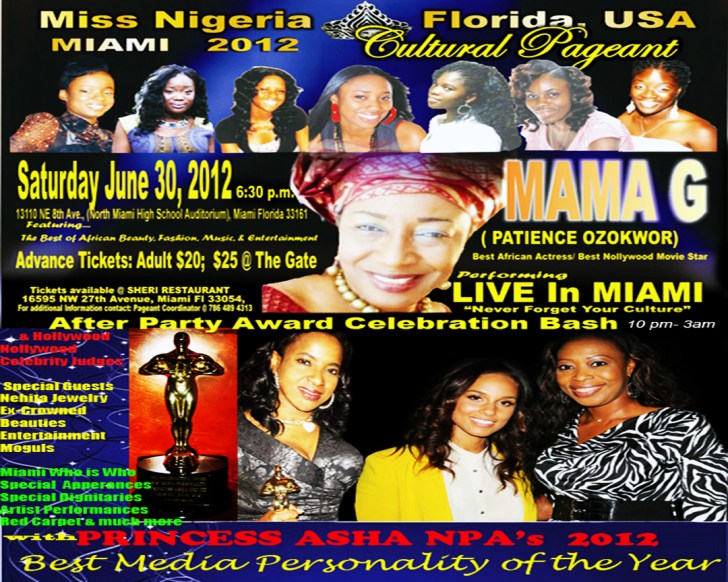
MURPHY’S LAAW ENTERTAINMENT OFFICIALLY BRINGS MAMA TO THE US. MEET MAMA GEE UP CLOSE AND PERSONAL AT MISS NIGERIA FLORIDA CULTURAL PAGEANT, USA MIAMI. AFTER THE PARTY IS AN ALL WHITE AFTER PARTY. COME CELEBRATE MY AWARD BASH PARTY WITH ME, IZZY ENTERTAINMENT AND AFRIQTALK CREW IN THE HOUSE. OH LADIES DON’T FORGET TO BRING YOUR BEACH SWIM SUITES IT’S GOING TO BE OH MY GOSH…..CRUNKED UP! FRIDAY, SATURDAY AND SUNDAY.
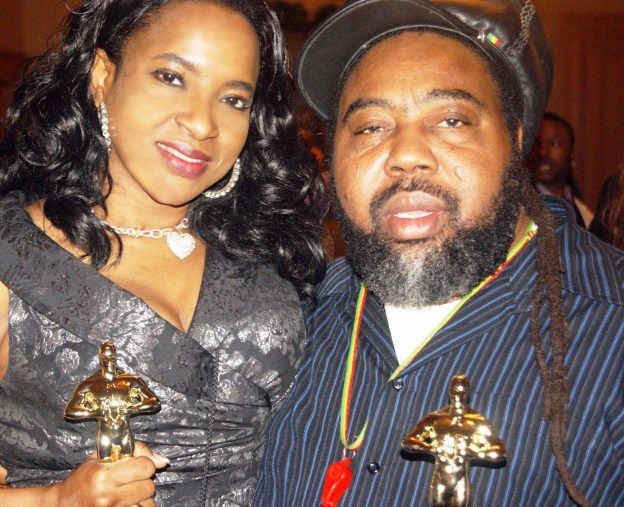
The 2nd edition of the Nigerian Promoters Association USA Entertainment Awards 2012 was held in AYVA Center, Houston, Texas, May 25-27. The event was filled with distinguished Nigerian celebrities, artists, models and ex-crowned beauties with a night of comedy and entertainment. The after party was hosted by Princess Belemzy at Face 2 Lounge, while the pre-award party was held at Zanzibar Lounge, Saturday May 26, 2012. Some of the award winners in attendance were legendary Ras Kimono, Princess Asha okojie, Chisom Orgi, Emma Agu, Kenny Kay, Bolaji Dawodu, Eva Banks and Princess Belemzy. (See full list below).
NPA Annual summit is an annual meeting of Entertainment Administrators who are members and non-members of NPA, such as; promoters, music producers, event planners, record label companies, Artiste managers, Deejays, Entertainment media personalities, film producers, fashion designers, Arts, sports e.t.c., coming together to share ideas and deliberate thoroughly on how to better improve the standard of Pan AfricanEntertainment industry particularly in the North America.
NPA ENTERTAINMENT AWARD WINNERS
CATEGORIES WINNERS
1. BEST MEDIA PERSONALITY Princess Asha Okojie
2. BEST COLLABORATION Kenny Kay
3. BEST NEW ACT OF THE YEAR A Cue
4. BEST GOSPEL MUSICIAN Chisom Orji
5. INDIGENOUS ARTIST OF THE YEAR Yinka “Mr. Somebody” Quadri
6. BEST R&B ARTIST OF THE YEAR Koleurz
7. BEST DEEJAY OF THE YEAR (U.S.A) Dj Donn
8. BEST COMEDIAN OF THE YEAR Seyi Brown
9. BEST FEMALE MUSIC VIDEO OF THE YEAR Titi Lo’kei
10. BEST NEXT RATED ARTIST Popasay
11. BEST MALE MUSIC VIDEO OF THE YEAR Dking Rokan
12. BEST POP ARTIST OF THE YEAR Gloria Maduka
13. BEST AFRO HIPHOP ARTIST Maxpain
14. BEST MALE ACT OF THE YEAR Oshine
15. BEST RAP ARTIST OF THE YEAR Doggext
16. BEST GOSPEL INSTRUMENTALIST Kelvin Najite
17. BEST PROMOTER OF THE YEAR Adewole Lipede
18. BEST ENT. PHOTOGRAPHER Trendy Africa
19. ENT. PERSONALITY OF THE YEAR Emma Agu
20. BEST MOVIE PRODUCER OF THE YEAR Evalonia Banks
21. BEST ACTOR OF THE YEAR Pascal Atuma
22. BEST ACTRESS OF THE YEAR Chisom OZ’ lee
23. BEST MOVIE DIRECTOR Oliver Mbamara
24. BEST MOVIE OF THE YEAR Jj Bunny-This is Houston
25. BEST ENT. BLOG SITE OF THE YEAR Coscanino-Underdarock
26. BEST ENT. WEBSITE OF THE YEAR Emma Agu-Iktune
27. BEST MUSIC SINGLE SLV
28. BEST FEMALE MODEL OF THE YEAR Eeefy Ike
29. BEST REGGAE/DANCEHALL ACT Cola Man
30. BEST INDIGENOUS INSTRUMENTALIST Bunmi Omega
31. BEST FEMALE ACT OF THE YEAR Naira
32. BEST PARTY PROMOTER OF THE YEAR Princess Belemzy
33. BEST FASHION DESIGNER Kachi Designs
34. BEST INTERNATIONAL MUSIC ACT Naeto C
35. BEST INT’L NOLLYWOOD ACT Funke Akindele
36. BEST PROMOTION COMPANY OF THE YEAR Emaginethat Entertainment
Do you know someone that might be in an abusive relationship? If so, tell them to walk away, and seek help because love don’t hurt. There are two types of domestic abuse, mental and physical abuse, which can result to low self esteem or control. Domestic violence can be defined as a pattern of abusive behavior in any relationship that is used by one partner to gain or maintain power and control over an intimate partner. According to the National Center for Injury Prevention and Control, women experience about 4.8 million intimate partner-related physical assaults and rapes every year. Less than 20 percent of battered women sought medical treatment following an injury.
Are men and women equal? Take a listen to this video
Taking on violence against women in Africa By Mary Kimani
The incident was not unusual in Africa. In December 1998 a Kenyan police officer, Felix Nthiwa Munayo, got home late and demanded meat for his dinner. There was none in the house. Enraged, he beat his wife, Betty Kavata. Paralyzed and brain-damaged, Ms. Kavata died five months later, on her 28th birthday.
But unlike many such cases, Ms. Kavata’s death did not pass in silence. The Kenyan media covered the story extensively. Images of the fatally injured woman and news of her death generated nationwide debate on domestic violence. There followed five years of protests, demonstrations and lobbying by non-governmental organizations (NGOs), as well as by outraged men and parliamentarians. Finally, the government passed a family protection bill criminalizing wife-beating and other forms of domestic violence.
According to the World Health Organization (WHO), violence affects millions of women in Africa. In a 2005 study on women’s health and domestic violence, the WHO found that 50 per cent of women in Tanzania and 71 per cent of women in Ethiopia’s rural areas reported beatings or other forms of violence by husbands or other intimate partners.
In South Africa, reports Amnesty International, about one woman is killed by her husband or boyfriend every six hours. In Zimbabwe, six out of 10 murder cases tried in the Harare High Court in 1998 were related to domestic violence. In Kenya, the attorney general’s office reported in 2003 that domestic violence accounted for 47 per cent of all homicides.
‘No boundaries’
Domestic violence is a global problem. In Europe, estimates the WHO, violence in the home is the primary cause of injury and death for women aged 16–44, more lethal than road accidents or cancer. Indeed, “violence against women,” said then-UN Secretary-General Kofi Annan in 1999, “knows no boundaries of geography, culture or wealth. It is perhaps the most shameful human rights violation.” And, he added, it is “perhaps the most pervasive.”
Violence against women goes beyond beatings. It includes forced marriage, dowry-related violence, marital rape, sexual harassment, intimidation at work and in educational institutions, forced pregnancy, forced abortion, forced sterilization, trafficking and forced prostitution.
Such practices cause trauma, injuries and death. Female genital cutting, for example, is a common cultural practice in parts of Africa. Yet it can cause “bleeding and infection, urinary incontinence, difficulties with childbirth and even death,” reports the WHO. The organization estimates that 130 million girls have undergone the procedure globally and 2 million are at risk each year, despite international agreements banning the practice.
Sexual violence is another problem. A local organization in Zaria, Nigeria, found that 16 per cent of patients with sexually transmitted diseases (STDs) were girls under the age of five, a sign of sexual assault. In the single year 1990, the Genito-Urinary Centre in Harare, Zimbabwe, treated more than 900 girls under 12 for STDs. Such assaults, observes a WHO publication, put “African women and girls at higher risk of sexually transmitted diseases [including HIV/AIDS] than men and boys.”
Rooted in culture
Abusers of women tend to view violence as the only way to solve family conflicts, according to a 1999 study on violence against women by the Johns Hopkins Bloomberg School of Public Health near Baltimore, US. Perpetrators typically have a history of violent behavior, grew up in violent homes and often abuse alcohol and drugs.
However, violence against women, the Johns Hopkins study points out, goes beyond the brutalization of women by individuals. The prevalence of the phenomenon, “cuts across social and economic situations, and is deeply embedded in cultures around the world — so much so that millions of women consider it a way of life.”
In a report by the UN Population Fund (UNFPA) in 2000, the agency noted that in interviews in Africa and Asia, “the right of a husband to beat or physically intimidate his wife” came out as “a deeply held conviction.” Even societies where women appear to enjoy better status “condone or at least tolerate a certain amount of violence against women.”
Such cultural norms put women in subservient positions in relation to their husbands and other males. That inferior status makes women “undervalued, disrespected and prone to violence by their male counterparts,” observed a 2003 report by the UN Development Fund for Women (UNIFEM). Ms. Radhika Coomaraswamy, the former UN special rapporteur on violence against women, agreed, noting that discriminatory norms, combined with economic and social inequalities, “serve to keep women subservient and perpetuate violence by men against them.”
Focusing specifically on Africa, Ms. Heidi Hudson found in a 2006 study by the South African Institute of Security Studies that “the subservient status of women, particularly rural women, in many African countries is deeply rooted in tradition.”
This is true to such an extent, Ms. Hudson added, that women can be perceived as objects or property, a view reflected especially clearly in practices such as wife inheritance and dowry payments.
Here are some ways to help a friend who is being abused:
Set up a time to talk. Try to make sure you have privacy and won’t be distracted or interrupted.
Let your friend know you’re concerned about her safety. Be honest. Tell her about times when you were worried about her.
Help her see that what she’s going through is not right. Let her know you want to help.
Be supportive. Listen to your friend. Keep in mind that it may be very hard for her to talk about the abuse. Tell her that she is not alone, and that people want to help.
Offer specific help. You might say you are willing to just listen, to help her with childcare, or to provide transportation, for example.
Don’t place shame, blame, or guilt on your friend. Don’t say, “You just need to leave.” Instead, say something like, “I get scared thinking about what might happen to you.” Tell her you understand that her situation is very difficult.
Help her make a safety plan. Safety planning includes picking a place to go and packing important items.
Encourage your friend to talk to someone who can help. Offer to help her find a local domestic violence agency.
Offer to go with her to the agency, the police, or court.
If your friend decides to stay, continue to be supportive. Your friend may decide to stay in the relationship, or she may leave and then go back many times. It may be hard for you to understand, but people stay in abusive relationships for many reasons. Be supportive, no matter what your friend decides to do.
Encourage your friend to do things outside of the relationship. It’s important for her to see friends and family.
If your friend decides to leave, continue to offer support. Even though the relationship was abusive, she may feel sad and lonely once it is over. She also may need help getting services from agencies or community groups.
Keep in mind that you can’t “rescue” your friend. She has to be the one to decide it’s time to get help. Support her no matter what her decision.
Let your friend know that you will always be there no matter what.
16 Celebrities Who Support The Cause to End Violence Against Women.
Kudos to Pastor Ituah Ighodalo, the founder of Trinity House Ministries, Lagos, Nigeria who was recently appointed as member of the Petroleum Revenue Special Task Force to probe oil earnings. The new committee is designed to enhance probity and accountability in operations of the Petroleum Industry in charge with the following terms of reference:
To work with consultants and experts to determine and verify all petroleum upstream and downstream revenues (taxes, royalties, etc.) due and payable to the Federal Government of Nigeria;
To take all necessary steps to collect all debts due and owing; to obtain agreements and enforce payment terms by all oil industry operators;
To design a cross debt matrix between all Agencies and Parastatals of the Federal Ministry of Petroleum Resources;
To develop an automated platform to enable effective tracking, monitoring, and online validation of income and debt drivers of all Parastatals and Agencies in the Federal Ministry of Petroleum Resources;
To work with world-class consultants to integrate systems and technology across the production chain to determine and monitor crude oil production and exports, ensuring at all times, the integrity of payments to the Federal Government of Nigeria; and,
To submit monthly reports for ministerial review and further action.”
Observers believe the appointment of Ribadu is to buy credibility for Allison-Madueke and also tie the hands of EFCC from doing any serious work. It is also believed that the latest move may be to counter whatever is going to be the outcome of the house of reps committee which appeared more determined to expose all the culprits involved in the scam going on in the petroleum ministry headed by Allison-Madueke.
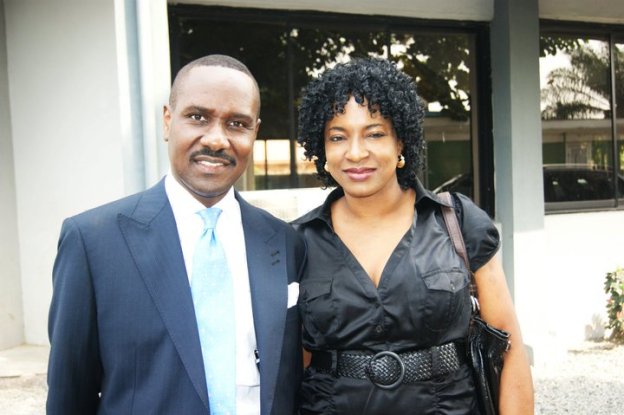
Pastor Ituah, worked as Associate Pastor of Freedom Hall, (later renamed Hope Hall) as well as the City of David Parishes of R.C.C.G. He’s been involved in international missions, helping to pioneer several Redeemed Christian Church of God parishes abroad and happily married to Ibidun Ighodalo.
I believe pastor Ituah will not only do his job diligently, but will bring about transformational change for the benefit of Nigeria and Nigerians. His thoughtfulness, discipline, simplicity and work ethics motivated me, especially, growing up as a teenager with an absent father in my life.






 AfriQtalk Diaspora
You must be logged in to post a comment.